

In most Indian homes, the dining table is more than a place to eat. It is where the family gathers after a long day, where festival meals are shared, where homework gets finished over evening snacks, and where guests are welcomed with chai and conversation. It is easily one of the most emotionally important spots in the house.
That is why so many families ask the same question when setting up a new home or refreshing an old one: where should the dining table go?
According to Vastu Shastra, the traditional Indian system of architecture and design, the placement, shape and even the colours around your dining table can influence the mood and harmony of your home. Whether or not you follow Vastu strictly, many of its suggestions are surprisingly sensible. They encourage natural light, open space, good airflow and a calm environment, all of which make mealtimes more pleasant.
In this guide, we will walk through the most useful Vastu tips for dining table placement in simple language. You will learn the best direction, the ideal shape, how to arrange seating, which colours to choose, and the mistakes to avoid. A quick note before we begin: Vastu is a traditional belief system, and its benefits are not scientifically proven. Treat these tips as helpful guidelines that you can adapt to your own home, not as strict rules that must be followed at any cost.
Why Does the Dining Area Matter in Vastu?
In Vastu, every space in the home is linked with a particular energy and purpose. The dining area is connected with nourishment, togetherness and well-being. A well-placed dining space is believed to support good digestion, warm family relationships and a peaceful atmosphere during meals.
Even if you set the belief aside, the logic is easy to see. A dining area that is bright, clean, well-ventilated and comfortable naturally makes people want to sit together. A cramped, dark or cluttered corner does the opposite. People eat quickly, grab their plates and leave. Vastu simply puts a traditional framework around something we all feel instinctively: the place where we eat should feel good.
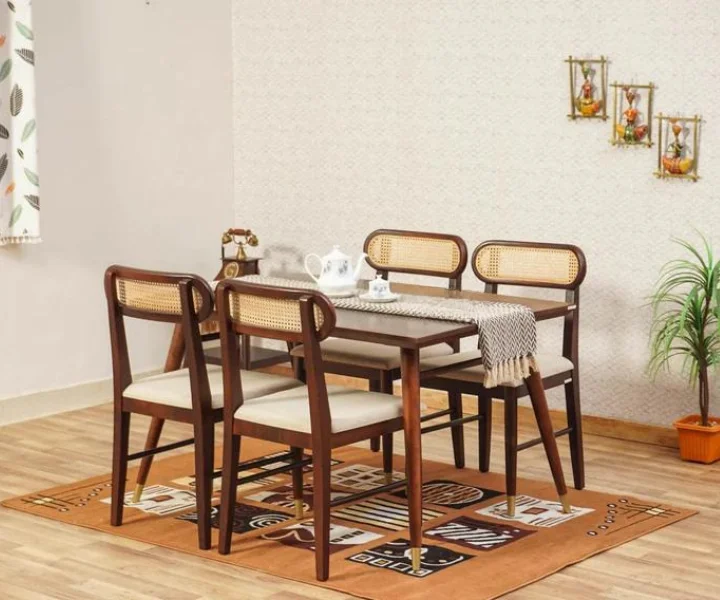
The Best Direction for a Dining Room as per Vastu
Let us start with the most searched question: which direction is best for the dining room?
West: The Most Recommended Direction
Many Vastu experts consider the west side of the house to be the best location for the dining room. It is linked with the element of water and with gains, satisfaction and a sense of fulfilment. A dining room in the west is believed to encourage cheerful meals and a contented family.
East: A Fresh and Positive Choice
The east is also seen as a good direction. It is the direction of the rising sun, and it is associated with health, vitality and new beginnings. Morning light flowing into an east-facing dining area makes breakfast time feel energetic and bright.
North and North-East
The north is considered acceptable and is linked with prosperity and fresh energy. The north-east is traditionally kept for prayer rooms or open, light spaces, so it is generally not recommended for a heavy dining table setup, although a light, uncluttered dining nook is sometimes accepted.
Directions to Avoid
The south-west is traditionally linked with heaviness and stability, and it is usually advised for master bedrooms rather than dining areas. The south-east is the zone of fire and is generally given to the kitchen. A dining room can sit nearby, but not crowded into the exact fire corner.
What If Your Home Does Not Follow These Directions?
Most of us live in apartments or rented homes where the layout is already fixed. If you cannot choose the ideal direction, do not panic. Focus on the things you can control: keep the area bright, clean and open, and arrange the table and seating thoughtfully. Many Vastu practitioners say that small adjustments and good habits matter more than perfect positioning.
Where Should the Dining Table Sit in the Room?
Choosing the room is only half the job. The position of the table inside that room matters too.
Keep it near the kitchen, but not in direct line with it. The dining area should be close to the kitchen so that serving food is easy. However, the table should not sit directly facing the kitchen stove. Many people find it more comfortable when the stove is not the first thing in view while eating.
Place it away from the main entrance. Vastu suggests that the dining table should not be in a direct line with the front door. In practical terms, this is also a good idea. Nobody enjoys eating with a clear view of the doorway and everyone who walks in and out.
Avoid placing it under a beam. A heavy overhead beam is believed to create pressure over the people sitting beneath it. Even from a simple comfort point of view, sitting under a low beam can feel uneasy.
Keep it away from bathroom doors. A dining table directly facing a toilet or bathroom door is considered unfavourable. If your layout cannot avoid this, keep the bathroom door closed and consider a screen or a plant to soften the view.
Do not push it into a corner. A table wedged tightly into a corner can feel restricted. Vastu prefers a little breathing space on all sides, which also makes it easier to move around.
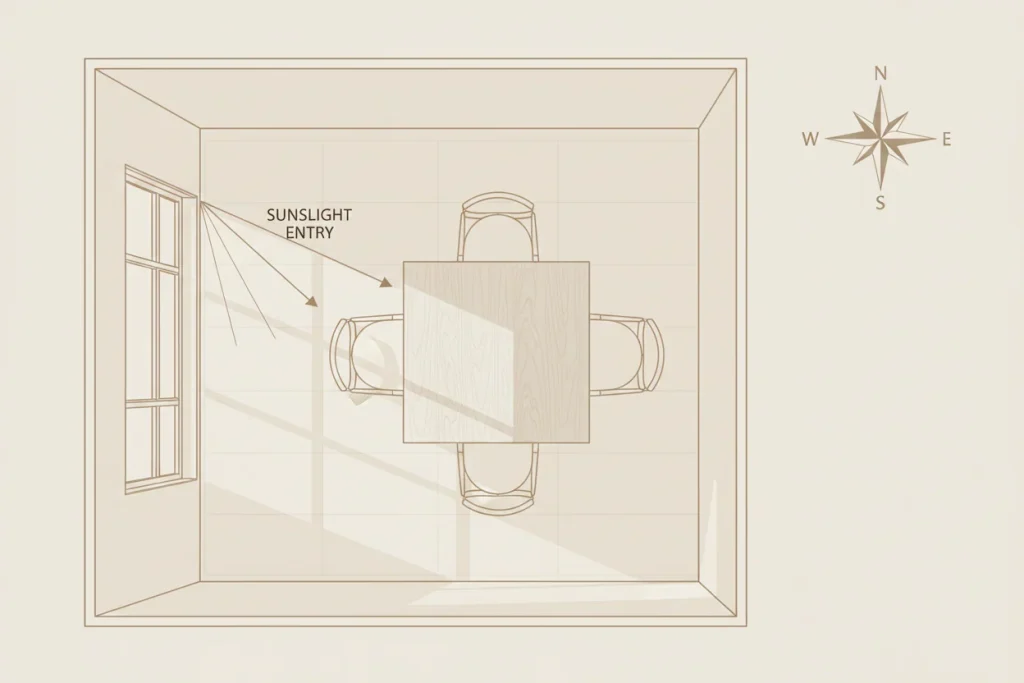
Dining Table Shape as per Vastu
The shape of your table affects the way people sit, talk and feel. Here is what Vastu suggests and how it plays out in daily life.
Square and Rectangular Tables
These are the most recommended shapes. Square and rectangular tables are linked with stability and balance. They fit neatly into most rooms and make seating easy to arrange. A rectangular table is especially practical for larger families because it can seat more people along the length. You can browse dining table sets in several sizes.
Round and Oval Tables
Round and oval tables are also considered acceptable. They have no sharp edges, so they are said to support smooth, friendly conversation. They suit smaller rooms and families who enjoy close, relaxed meals. As a bonus, everyone sits at an equal distance, which makes the table feel inclusive.
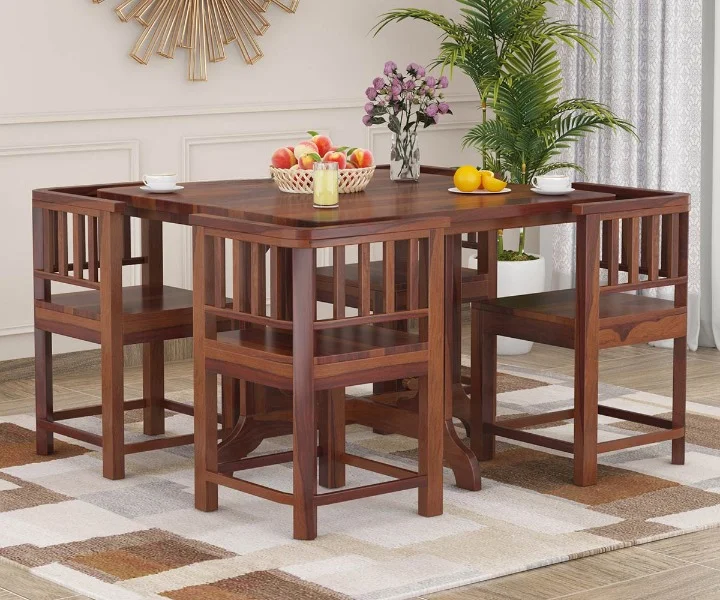
Shapes to Avoid
Irregular shapes, such as triangles or very odd-angled designs, are generally discouraged. Sharp pointed corners are believed to create tension, and they can also be uncomfortable for children running around the table.
How Many Chairs Should a Dining Table Have?
Vastu has some traditional advice on seating, too.
- Even numbers are preferred. Tables with four, six or eight chairs are considered balanced and harmonious.
- Avoid odd numbers if possible. Some Vastu guidance suggests avoiding three, five or seven chairs.
- Match the table to the family. Do not force a large table into a small room just to match a number. Comfort comes first.
- Keep chairs matching. Chairs of the same style and size create a calm, orderly look.
A helpful rule: choose a table that seats your family comfortably, with room for one or two extra guests.
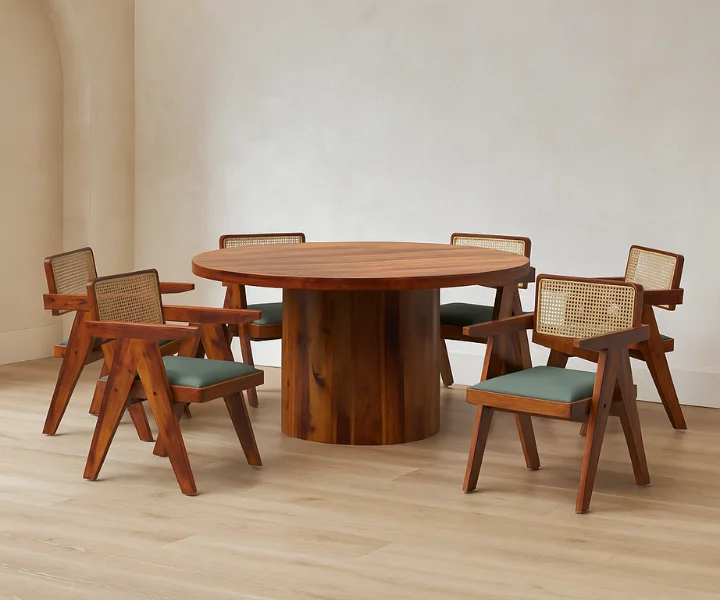
Which Direction Should You Face While Eating?
According to Vastu, the direction you face while eating is thought to affect digestion and mood. The commonly recommended directions are:
- East: Considered the best, as it is linked with health and positivity.
- North: Also considered good and associated with growth and prosperity.
- West: Acceptable for family members who sit on that side.
The head of the family is traditionally advised to sit facing east or north. If you want to follow this tradition, you can simply arrange the seating so that the main seat is placed accordingly. For other family members, there is no need to overthink it. Let everyone sit where they feel comfortable.
Best Colours for a Dining Room as per Vastu
Colours shape the mood of a room more than we realise. A dining room should feel warm, welcoming and calm. Vastu suggests soft, pleasant shades.
Recommended colours:
- Light yellow and cream: Warm, cheerful and welcoming. They are linked with appetite and happiness.
- Soft green: Fresh and calming, and it reminds people of nature and health.
- Light orange or peach: Gentle warmth that makes the room feel inviting.
- White and off-white: Clean and simple, and they make a space feel larger.
- Light brown and wood tones: Natural and grounding.
Colours to avoid or use sparingly:
- Black and very dark shades: They can make the room feel heavy.
- Bright red in large amounts: It may feel too intense and restless.
- Very dull grey: It can make the space feel flat and lifeless.
If you love bold colours, use them in small touches, such as cushions, table runners or a piece of wall art, rather than painting the entire room.
The Right Material for a Vastu-Friendly Dining Table
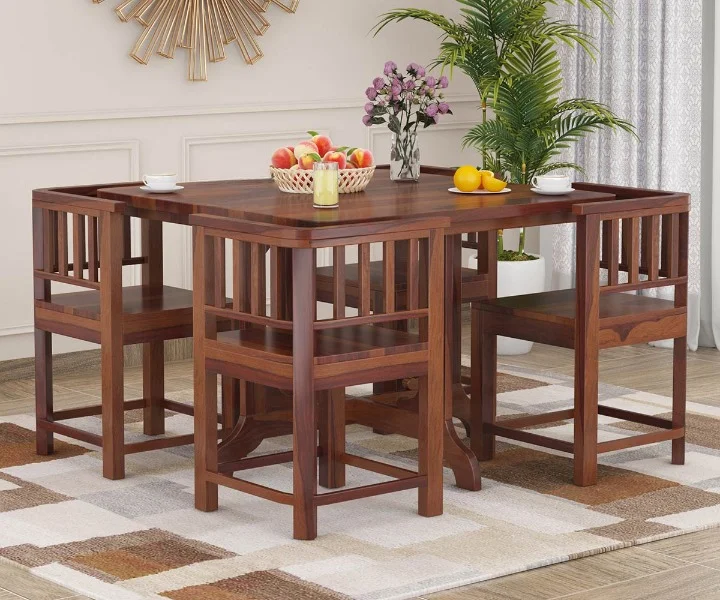
Vastu traditionally favours natural materials, especially wood. A wooden dining table is considered stable, warm and grounding. Woods such as sheesham, teak and mango are widely used in Indian homes for good reason: they are strong, attractive and long-lasting.
Glass tables: Many Vastu followers prefer to avoid glass-top tables, as they are thought to feel cold and reflective. If you do choose glass, a wooden base and rounded corners make it feel warmer.
Metal tables: These are generally less preferred for a main family dining table, although they can work well in outdoor or casual areas.
Engineered wood: A good quality engineered wood table can also work well, especially when finished in a warm, natural tone. Always check the quality of the board and the strength of the joints.
When shopping, think about daily use. A dining table faces spills, hot dishes, homework, laptops and the occasional craft project. A durable, easy-to-clean surface will serve you better than something delicate.
Mirrors, Lighting and Décor in the Dining Area
Mirrors
Vastu suggests that a mirror in the dining room can symbolically double the abundance on the table. Many people like to place a mirror on a wall so that it reflects the dining table, but not directly facing the main door. Practically, a mirror also makes a room feel brighter and more spacious. Avoid placing a mirror where it reflects the kitchen stove or a bathroom door.
Lighting
Good lighting matters. Natural light is best, so keep windows clear and curtains light. For evenings, choose warm white lighting rather than harsh white tubes. A pendant light or a soft chandelier above the table creates an inviting centre of attention. Make sure no bulb flickers or stays broken for long.
Wall Art and Décor
Cheerful, calming pictures work well in a dining area. Think of landscapes, fruit, flowers or family photos. Avoid violent, sad or gloomy images. Keep the centre of the table simple with a bowl of fruit, a small plant or fresh flowers.
Common Dining Table Vastu Mistakes to Avoid
Here are the most common slip-ups, and simple ways to fix them.
- Placing the table directly in front of the main door. If you cannot move it, use a partition, a tall plant or a decorative screen.
- Keeping the table cluttered. Piles of mail, bags and random objects spoil the mood. Keep the surface clear except for meals.
- Using a broken or wobbly table. A damaged table is considered unlucky, and it is also simply unsafe. Repair or replace it.
- Ignoring cleanliness. A dirty or sticky table and floor can ruin the atmosphere. Wipe it down after every meal.
- Eating in a dark room. Always keep the dining area well lit.
- Using the table as a storage shelf or workspace all day. If it doubles as a desk, clear it before meals so it feels like a dining space again.
- Overcrowding the room. Too much furniture makes movement difficult. Leave enough space to pull chairs out comfortably.
Vastu Tips for Small Dining Spaces and Apartments
Not everyone has a separate dining room. If your table sits in a corner of the living room or a small nook, here is how to apply Vastu sensibly.
- Choose the best available spot. If possible, place the table on the west or east side of the living area.
- Use a round or compact table. It saves space and removes sharp corners.
- Add a subtle divider. A bookshelf, a low partition or even a change in rug can help define the dining zone.
- Keep it light and bright. Use light colours and a good pendant light.
- Choose multi-purpose furniture. A foldable or extendable table can be a smart choice for compact homes.
- Do not stress about perfection. A calm, clean and cheerful dining space matters more than getting every direction exactly right.
A Simple Vastu Checklist for Your Dining Table
Before you finalise the placement, run through this quick list:
- Is the dining area in the west or east if possible?
- Is the table square, rectangular, round or oval?
- Does it have an even number of chairs?
- Is it away from the main entrance and bathroom doors?
- Is there good natural and artificial light?
- Are the wall colours soft and welcoming?
- Is the table made of warm, natural material like wood?
- Is the area clean and uncluttered?
If you can answer yes to most of these, you are on the right track.
Frequently Asked Questions
1. Which is the best direction for a dining table as per Vastu? The west and east are most commonly recommended. The north is also considered acceptable. The south-west is generally avoided for dining areas.
2. Which shape of dining table is best as per Vastu? Square and rectangular tables are considered the most balanced. Round and oval tables are also acceptable. Irregular shapes with sharp points are best avoided.
3. Can the dining table face the main door? It is traditionally advised not to place the dining table in direct line with the main door. If it cannot be moved, use a screen, plant or partition.
4. Is a glass dining table good as per Vastu? Wood is generally preferred. If you choose glass, pair it with a wooden base and rounded edges to keep it warm and safe.
5. How many chairs should a dining table have as per Vastu? Even numbers such as four, six or eight are considered ideal.
6. Can I place a mirror in the dining room? Yes, a mirror is often suggested because it is believed to symbolise abundance. Avoid reflecting the stove, the main door or the bathroom.
7. Is Vastu scientifically proven? No. Vastu is a traditional belief system. Many of its tips, such as good light, clean spaces and comfortable seating, are sensible, but the other claims are matters of belief.
Final Thoughts
A dining table is where a house starts to feel like a home. It is where stories get told, birthdays are celebrated and ordinary evenings become small memories. Vastu offers a gentle set of guidelines to help you make that space as welcoming as possible: pick a bright, open spot, choose a stable and friendly shape, keep the area clean and calm, and surround it with soft colours and warm light.
Use the tips that suit your home and ignore the ones that do not. The best dining area is the one your family actually enjoys sitting in.
If you are planning to upgrade your dining space, explore our collection of dining tables and sets at mamtafurniture.in, from sturdy wooden dining sets to compact tables for smaller homes, and find a design that fits your space and your family.
For more info, contact: Support@mamtafurniture.in
Follow our Instagram : Mamta Furniture